A Shift We Didn’t Notice at First
If someone had said ten years ago that we’d rely on artificial intelligence the same way we rely on electricity or Wi-Fi, most people would have laughed. AI sounded like something reserved for tech labs and sci-fi movies — not something that would help us choose dinner or reply to emails.
But the strange thing about big changes is that they rarely feel big while they’re happening. Instead of crashing into our lives, AI slipped in through the side door. No announcement. No trumpet. Just small conveniences that quietly turned into everyday habits.
Today, we’re surrounded by AI in ways we barely think about:
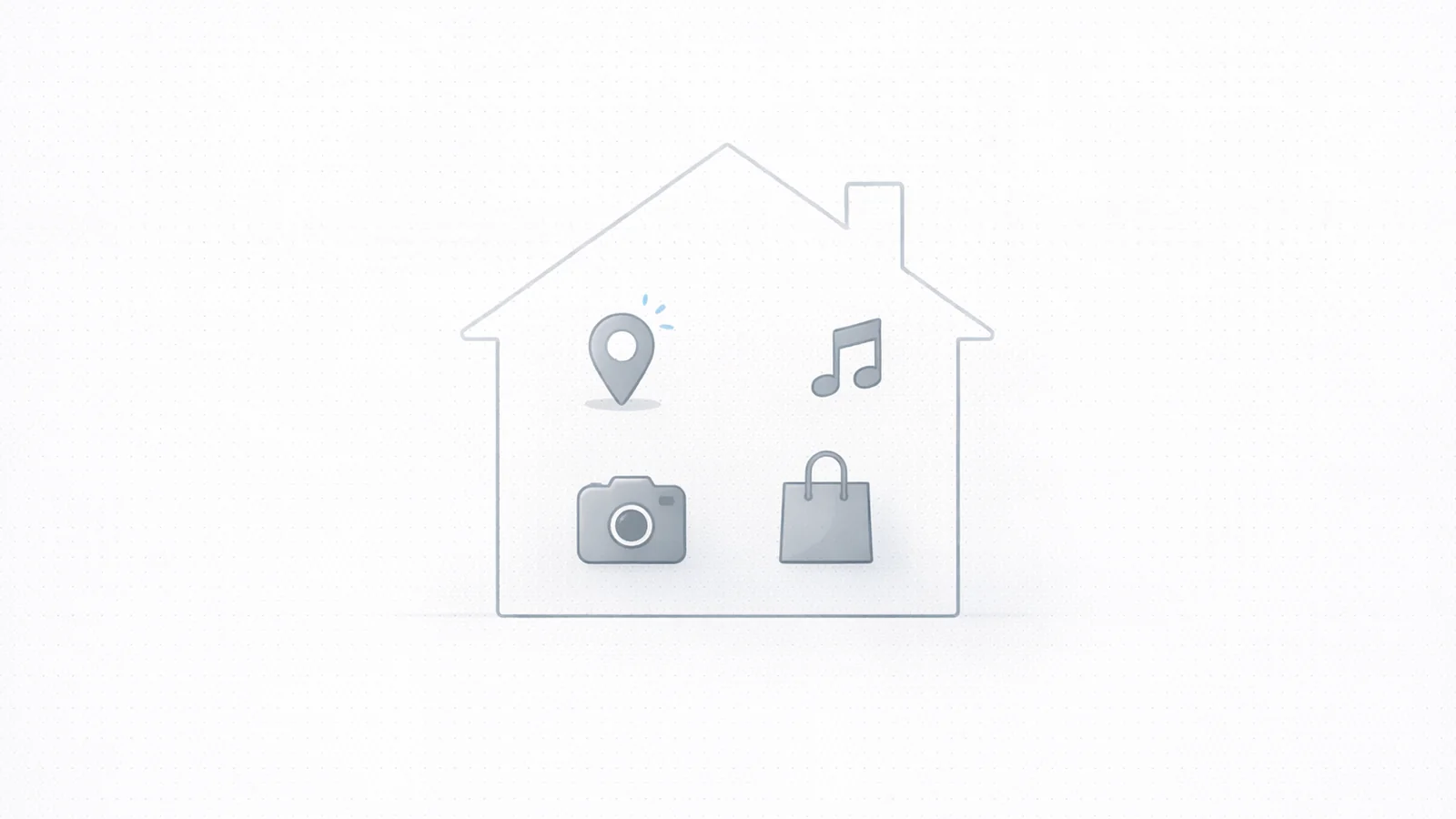
your phone learning your routine, your apps guessing what you want, your camera adjusting itself, your music apps predicting your mood, and even your refrigerator noticing when you’re running out of milk.
Most people don’t even call it “AI.”
They just call it… life.
AI in the Moments We Don’t Pay Attention To
1. The Phone That Knows You Too Well
For almost everyone, the first big exposure to AI comes from a device they hold every day — their phone.
Open your gallery.
Notice how your photos are grouped by faces?
That’s AI.
Your keyboard magically knew the next word you wanted to type?
That’s AI.
Your phone unlocked just by looking at your face?
AI again.
We didn’t sign up for a radical new technology; it slowly became the default. Today, if a phone DOESN’T have these features, people look at it like it’s outdated.
2. Entertainment Is No Longer Random
Think about it:
Netflix knows what you like.
YouTube recommends videos before you even search.
TikTok figures out who you are in minutes.
These platforms study your behavior — what you watch, skip, replay, or scroll past — and adjust instantly.
There’s a reason you find yourself watching videos at 2 AM wondering where the time went.
It’s not your lack of discipline.
It’s AI understanding your preferences better than you do.
3. Your Daily Routine Has Become Automated
You wake up and your phone has already sorted:
weather
traffic
morning reminders
messages
emails
news
calendar
Without you doing anything.
Many people call it “convenience,” but in reality, this is AI quietly managing parts of our lives we used to handle manually.
AI at Work — Even in Jobs That Don’t Feel “Technical”
1. Writing & Communication
Think about how many people rely on:
automatic email replies
grammar correction
smart suggestions
tone adjustments
We don’t call this AI.
But that’s exactly what it is.
Even if someone has never touched a robot or a coding program, they’ve used AI to write something.
2. Offices Are Filled With Invisible AI Tools
Managers rely on data dashboards powered by AI.
Customer service uses chatbots before a human steps in.
Financial analysts use AI to predict trends.
Hiring teams use AI filters to shortlist résumés.
Security relies on AI monitoring systems.
Most people working in a modern office are interacting with AI without realizing it — sometimes hundreds of times a week.
3. Creative Jobs Are Changing Too
Artists, photographers, designers…
They’re using AI-based tools:
sharper photo enhancement
automatic background removal
suggestion-based editing
voice filters
intelligent lighting adjustments
AI isn’t replacing creativity.
It’s giving people new brushes to paint with.
The Homes That Feel Almost Alive
1. Voice Assistants Turn Houses Into Helpers
A few years ago, telling a speaker to play music felt futuristic.
Now people casually say:
> “Alexa, turn off the lights.”
“Hey Google, start the vacuum.”
“Siri, remind me to call Mom.”
We don’t think twice about it — which shows how normal AI has become.
2. Appliances Are Becoming Smart
Refrigerators track food.
Air conditioners adjust based on habits.
TVs recommend shows.
Doorbells recognize faces.
Cameras detect movement.
Your home is no longer static — it reacts, learns, adapts.
3. Cars: From Vehicles to Digital Companions
Even cars have transformed:
lane assist
auto-parking
emergency braking
predictive navigation
driver attention monitoring
Some cars can even detect when you’re too tired to drive.
A decade ago, these features sounded impossible.
Now they come standard.
How AI Affects the Way We Think, Choose, and Behave
1. AI Shapes Decisions Without Forcing Them
When Netflix recommends a movie, it doesn’t force you to watch it — but there’s a high chance you will.
AI works quietly, not loudly.
It nudges.
Suggests.
Reminds.
Predicts.
You still feel in control, even though AI is guiding your choices.
2. Information Has Become Tailored, Not Universal
In the past, everyone saw the same news, same channels, same headlines.
Now:
your feed is different from mine
your trending list isn’t my trending list
your ads don’t look like someone else’s
AI is creating personalized worlds for each person — which is convenient, but also powerful.
3. We Expect Instant Answers Now
People used to search and read.
Now they:
ask Siri
ask Google Assistant
ask ChatGPT
ask voice search
ask AI-enabled apps
Because AI has made waiting feel outdated.
The Emotional Side of AI — What We Don’t Talk About Enough
1. People Are Starting to “Trust” Their Devices
We trust:
Google Maps more than strangers
auto-correct more than our spelling
photo filters more than raw images
music recommendations more than radio
algorithmic advice more than random guesswork
AI isn’t just part of our tools — it’s part of our decision-making.
2. AI Reduces Mental Load
Without noticing, AI has taken away dozens of daily tasks:
remembering dates
finding routes
recommending food
choosing entertainment
translating languages
organizing contacts
Our brains get more space because AI does the boring stuff for us.
3. But There’s a Balance to Maintain
AI is helpful — but overreliance can make us forget simple skills:
writing basic emails
navigating without GPS
remembering details
making independent choices
AI should be a partner, not a replacement for thinking.
What the Future Might Look Like — If This “Quiet Growth” Continues
1. AI Will Blend Even Deeper Into Daily Life
We won’t call it “AI” anymore — it’ll just be part of the system:
smart grocery shopping
personalized health alerts
real-time translation in conversations
predictive education
self-adjusting vehicles
Technology will feel invisible but always active.
2. Work Will Shift From Hard Skills to Human Skills
AI will handle:
calculations
analysis
repetitive tasks
But humans will focus on:
strategy
creativity
leadership
emotional intelligence
complex problem solving
The future won’t be “AI replacing humans.”
It will be humans using AI the way we use cars, calculators, or the internet.
3. The Most Important Skill Won’t Be Coding — It’ll Be Adapting
People who thrive will be the ones who:
stay curious
embrace change
learn new tools
use AI wisely
blend human intuition with AI insight
Adaptability will matter more than technical expertise.
AI Isn’t Taking Over — It’s Fitting In
We’re not entering an age where machines dominate us.
We’re entering an age where machines quietly assist us.
AI didn’t explode into our lives — it blended in.
It became normal.
It became expected.
It became part of the rhythm of everyday life.
And whether people realize it or not, this shift is only the beginning.
The world is changing, yes.
But more importantly:
We’re changing with it.
Human and AI — side by side.
Not as replacements.
But as partners in the next chapter of everyday life.
Further Reading and Sources
To better understand how artificial intelligence has become embedded in daily life, the following resources provide reliable insights into real-world AI applications, ethical concerns, and future trends:
• How AI Is Used in Everyday Life – IBM explains how artificial intelligence powers services such as recommendations, automation, and smart assistants.
https://www.ibm.com/think/topics/artificial-intelligence
• AI Explained for Everyone – Stanford University offers accessible explanations of AI systems and their real-world impact.
https://hai.stanford.edu/research
• Ethics of Artificial Intelligence – UNESCO outlines global ethical principles guiding the responsible use of AI technologies.
https://www.unesco.org/en/artificial-intelligence/ethics
By Sami Hayes – AIchronicle Insights