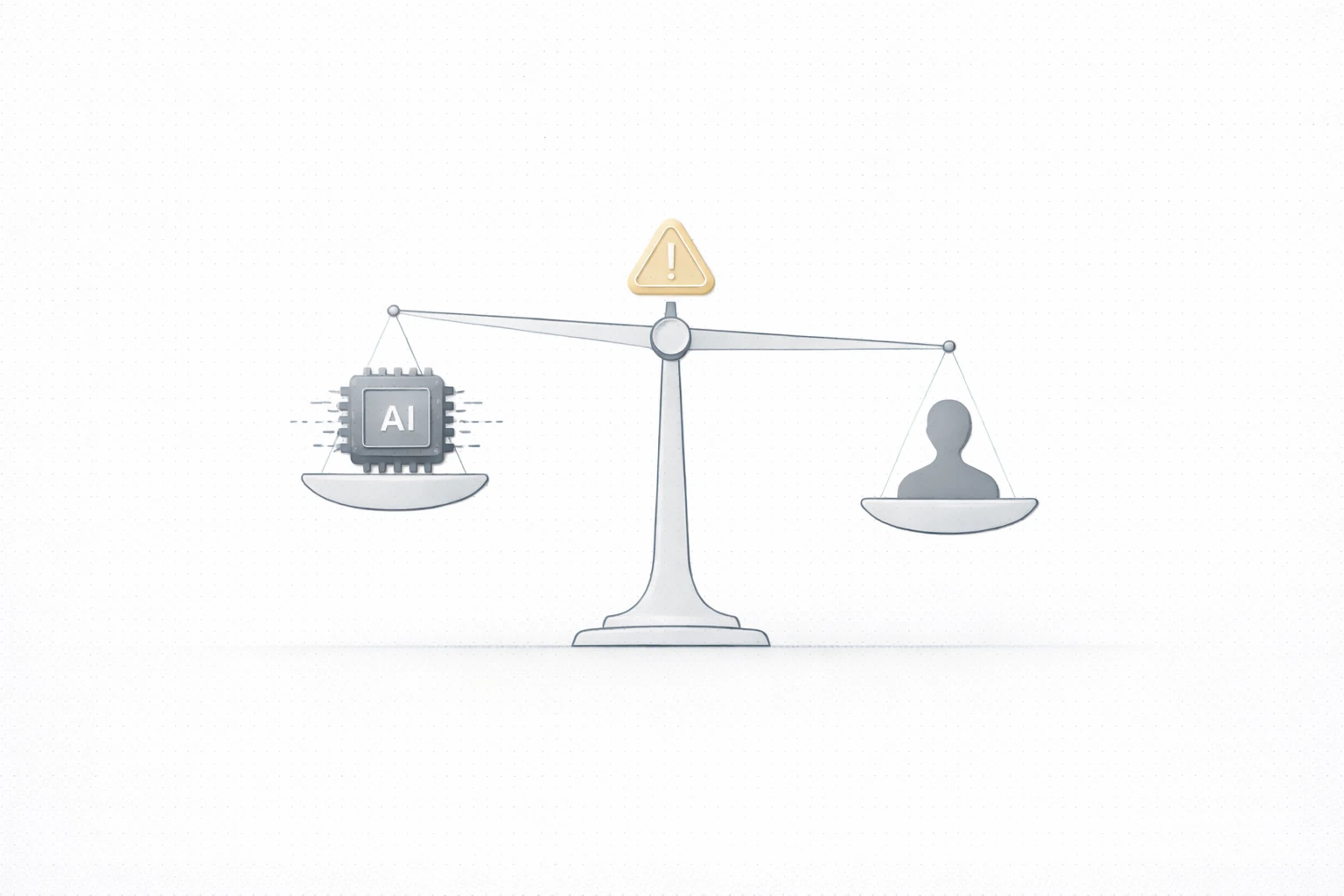

Artificial intelligence is often described as objective, logical, and free from emotion. Many people assume that because machines rely on data and mathematics, their decisions must be neutral. This belief has helped AI gain trust in sensitive areas such as hiring, policing, healthcare, finance, and education. However, the idea that AI can ever be truly neutral is increasingly being questioned by researchers, developers, and policymakers.
AI systems do not exist in isolation. They are created by humans, trained on human-generated data, and deployed in societies shaped by culture, power, and history. Every stage of an AI system’s lifecycle involves choices — what data to collect, which goals to optimize, what errors are acceptable, and whose values matter most. These choices embed values directly into algorithms, whether intentionally or not.
This article explores whether AI can ever be neutral by examining bias, design decisions, and cultural influence. It also looks at why the myth of neutrality is dangerous and how more responsible AI systems can be built.
Why People Believe AI Is Neutral
The belief in AI neutrality comes from how technology is often presented. Algorithms are framed as mathematical tools that simply follow rules. Because numbers feel objective, people assume the outcomes must be fair.
In reality, AI systems are designed to make judgments based on probabilities, patterns, and historical data. When an AI system ranks job candidates, predicts crime risk, or recommends medical treatments, it is making decisions that reflect priorities set by humans.
This misunderstanding becomes problematic when AI is used to justify decisions without questioning how those decisions were produced. Treating AI as neutral can hide responsibility and make biased outcomes harder to challenge.
For a deeper explanation of how algorithms shape decisions, see Google’s overview on machine learning concepts:
https://developers.google.com/machine-learning/crash-course
Bias Is Not a Bug — It Is Often a Feature
One of the strongest arguments against AI neutrality is bias. Bias does not usually appear because an AI system is “broken.” It appears because the system is doing exactly what it was designed to do.
AI learns from data. If the data reflects inequality, discrimination, or exclusion, the AI will absorb those patterns.
Examples include facial recognition systems performing worse on darker skin tones, hiring algorithms favoring certain educational backgrounds, or credit scoring models disadvantaging specific communities. These outcomes are not random. They are the result of historical data and design priorities.
Bias enters AI systems through:
• Training data that reflects social inequality
• Labels created by human judgment
• Optimization goals that favor efficiency over fairness
• Limited testing across diverse populations
A well-known discussion of algorithmic bias can be found in this research overview by MIT:
https://www.media.mit.edu/projects/gender-shades/overview
Design Choices Shape AI Behavior
Every AI system is built around design decisions. These decisions define what the system values and what it ignores.
When developers create an algorithm, they decide:
• What problem the AI should solve
• Which outcomes count as success
• What trade-offs are acceptable
• How errors are measured
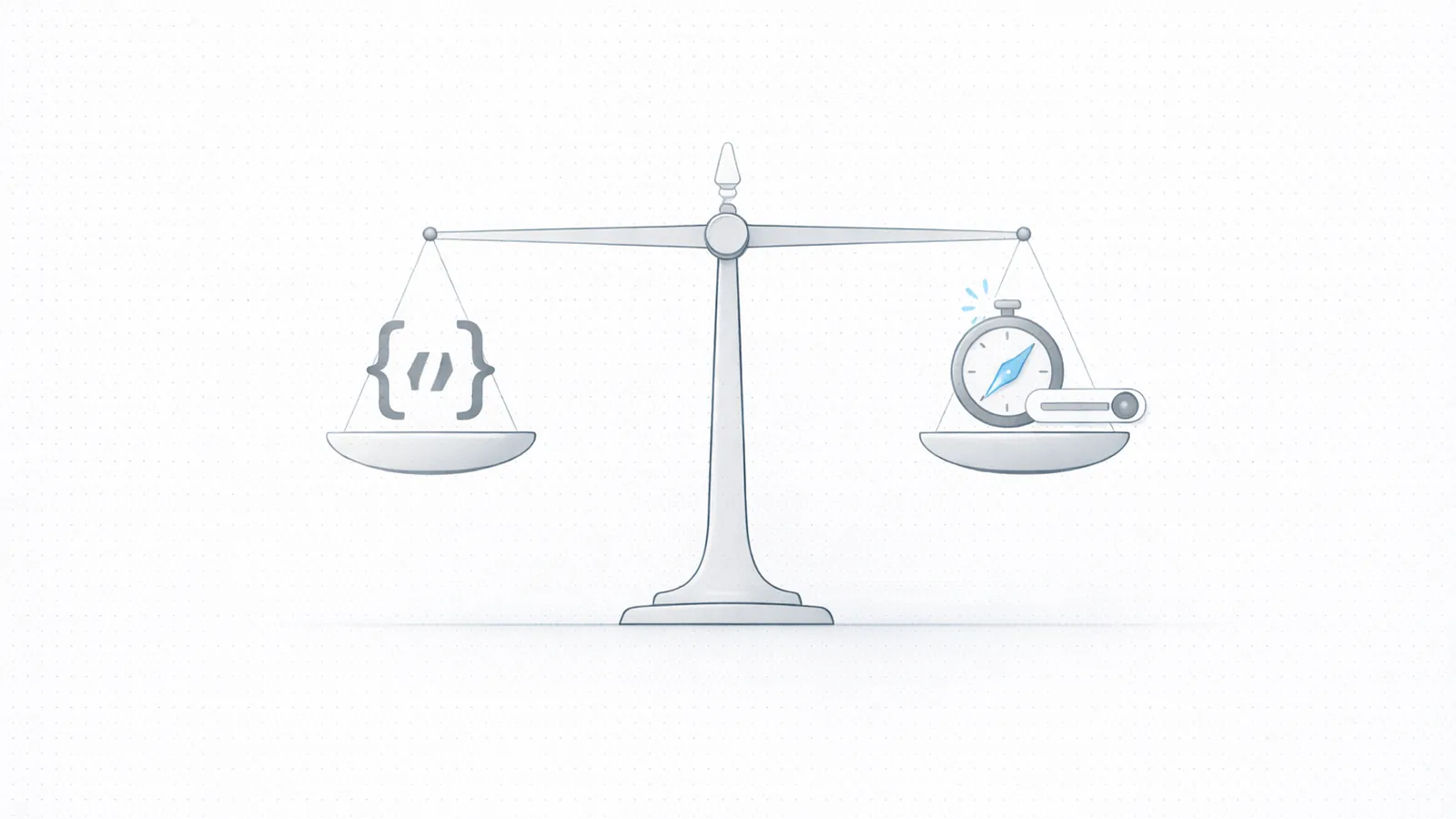
For example, an AI designed to reduce hospital wait times may prioritize speed over accuracy. Another designed to detect fraud may accept false positives to avoid missing threats. These are value judgments, not neutral technical choices.
Even the choice of which data features to include can influence outcomes. Excluding socioeconomic factors may appear fair, but it can also hide structural disadvantages that affect real-world results.
This shows that AI systems reflect the priorities of their creators and organizations. Neutrality is not possible when values are embedded into system goals.
Cultural Influence on Algorithms
AI systems are often developed in specific cultural contexts, yet they are deployed globally. This creates a mismatch between the values embedded in algorithms and the societies they serve.
Language models trained primarily on English-language content may misunderstand non-Western contexts. Content moderation algorithms may reflect cultural norms that do not apply universally. Even definitions of fairness vary across societies.
Cultural influence appears in:
• Language interpretation
• Social norms and etiquette
• Legal and ethical standards
• Concepts of privacy and consent
When AI systems ignore cultural differences, they risk marginalizing communities and reinforcing dominant perspectives.
UNESCO has addressed this issue in its AI ethics framework:
https://www.unesco.org/en/artificial-intelligence/recommendation-ethics
The Myth of Neutrality Can Be Harmful
Believing that AI is neutral creates a dangerous illusion. It encourages blind trust and discourages accountability.
When people accept AI decisions without questioning them, errors become normalized. Individuals affected by biased outcomes may struggle to challenge systems that are perceived as objective.
This myth also allows organizations to shift responsibility. When harm occurs, blame is placed on “the algorithm” rather than the people who designed, deployed, or failed to audit it.
Recognizing that AI is not neutral is essential for ethical oversight and democratic control.
Transparency and Explainability Matter
If AI cannot be neutral, then transparency becomes critical. Users and regulators need to understand how decisions are made.
Explainable AI aims to make systems more interpretable by revealing:
• Which factors influenced a decision
• How different inputs were weighted
• Why a specific outcome occurred
Transparency allows individuals to contest decisions and helps developers identify hidden biases.
The European Union’s approach to explainable AI is outlined here:
https://digital-strategy.ec.europa.eu/en/policies/explainable-ai
Can AI Be More Fair Even If It Is Not Neutral?
While perfect neutrality may be impossible, AI can still be designed to be more fair and responsible.
Ethical AI development includes:
• Diverse teams involved in design and testing
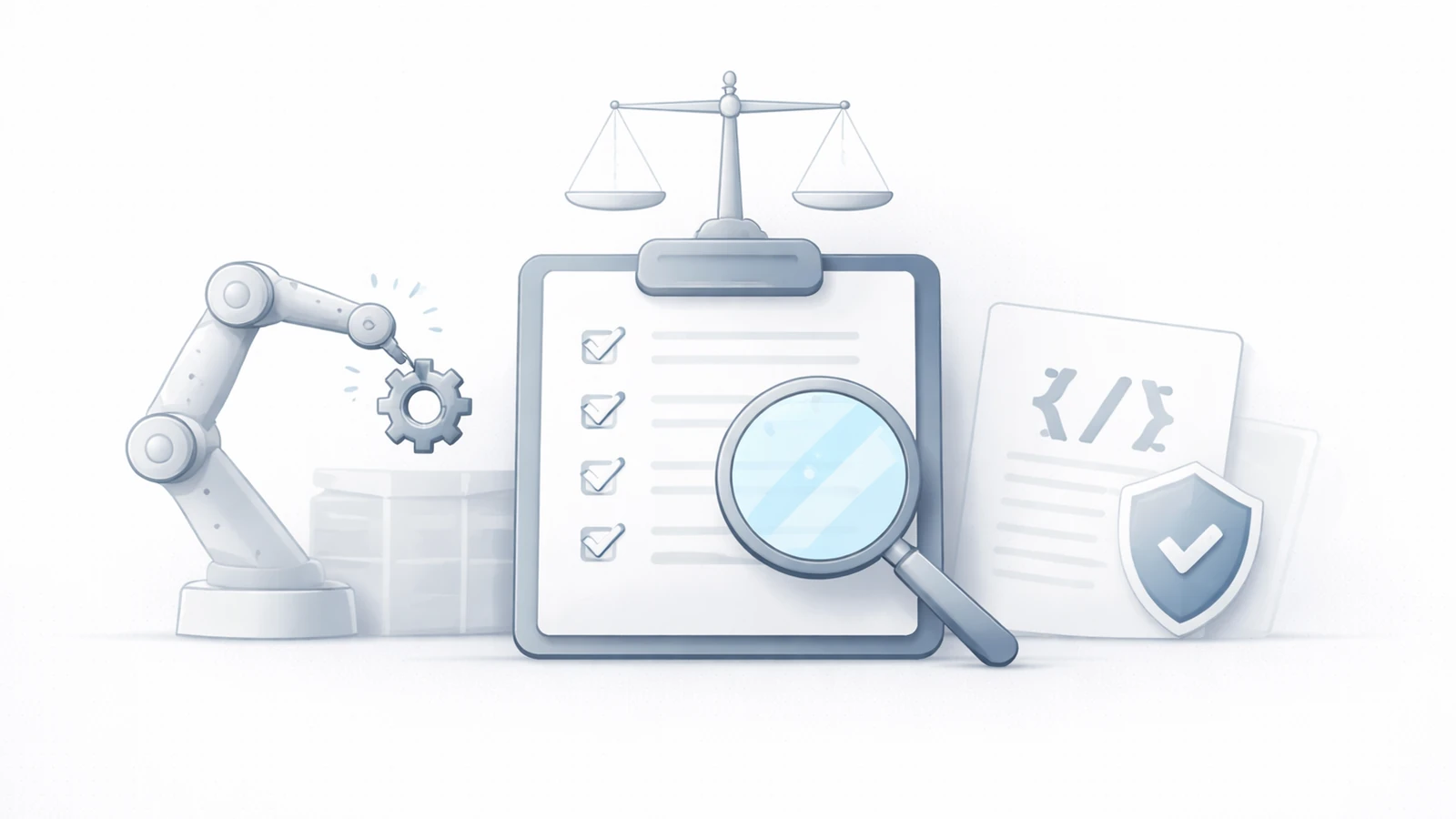
• Bias audits and continuous monitoring
• Clear documentation of system limitations
• Human oversight in high-stakes decisions
Fairness is not automatic. It requires ongoing effort and reflection.
Organizations that treat ethics as part of system performance — not an optional feature — are more likely to build trustworthy AI.
The Role of Human Judgment
AI should support human decision-making, not replace it entirely. Humans provide context, empathy, and moral reasoning that machines cannot replicate.
When AI outputs are treated as recommendations rather than final judgments, there is space for correction and discussion. This approach preserves human agency and reduces the risk of harm.
In areas such as medicine, law, and education, human oversight is especially important. AI can process information quickly, but humans must decide what is appropriate.
Neutrality Is the Wrong Question
The real question is not whether AI can be neutral, but whether it can be responsible, transparent, and aligned with human values.
AI systems will always reflect the choices made by their creators and the societies in which they are built. Acknowledging this reality allows for better design, stronger accountability, and more ethical deployment.
Rather than hiding behind the myth of neutrality, developers, businesses, and policymakers should focus on fairness, inclusivity, and transparency. Only then can AI serve as a tool that benefits society rather than one that quietly reinforces existing inequalities.
By Sami Hayes – AIchronicle Insights