A New Authority in the Exam Room
Artificial intelligence has entered healthcare quietly but decisively. Once limited to administrative tasks and research support, AI systems are now being used to interpret medical images, analyze patient data, detect diseases, and even recommend diagnoses. In some hospitals, algorithms review scans before doctors do. In others, AI systems flag abnormalities that human eyes might miss.
This technological shift has introduced an unprecedented dynamic into medicine: situations where machines and doctors disagree.
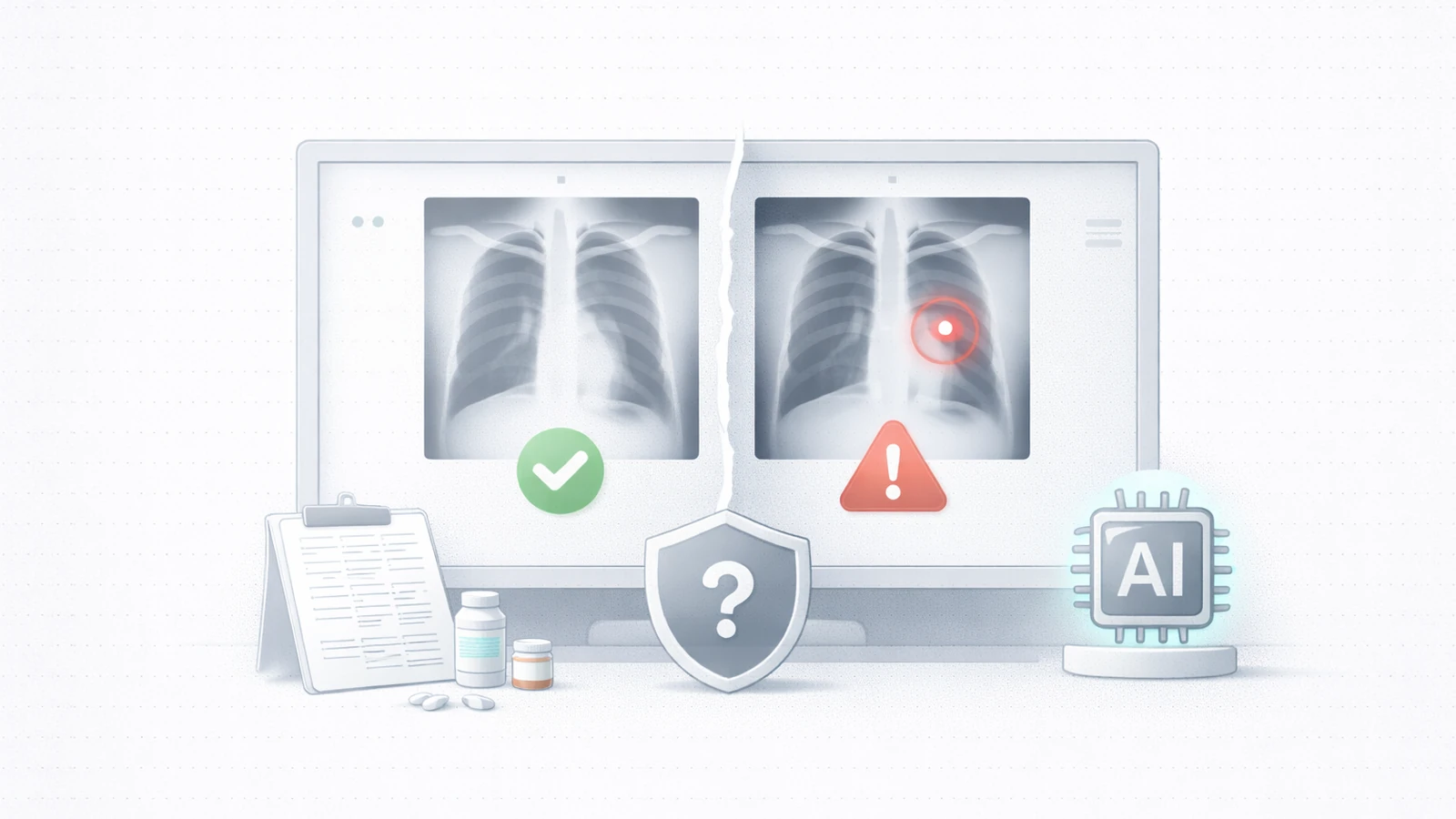
When an AI system identifies cancer in an image that a radiologist considers normal, or when an algorithm predicts a high risk of disease that contradicts a physician’s judgment, a critical question emerges. Who should be trusted? The machine trained on millions of data points, or the doctor guided by years of education and clinical experience?
This article examines how AI is used in healthcare diagnostics, why disagreements between machines and doctors occur, what risks and benefits these conflicts create, and how the medical field can responsibly integrate AI without undermining human judgment or patient trust.
The Rise of AI in Medical Diagnostics
AI’s role in healthcare diagnostics has expanded rapidly due to advances in machine learning, increased availability of medical data, and growing computational power. Diagnostic AI systems are designed to identify patterns that are often too subtle or complex for humans to detect consistently.
AI tools are currently used in areas such as:
• Radiology and medical imaging
• Pathology and tissue analysis
• Cardiology and ECG interpretation
• Oncology screening
• Dermatology and skin lesion analysis
• Ophthalmology and retinal disease detection
Many of these systems demonstrate performance comparable to, and sometimes exceeding, that of human specialists in controlled environments.
For example, AI models trained on large datasets of X-rays and CT scans can detect lung nodules or fractures with remarkable accuracy. Similarly, algorithms analyzing retinal images can identify early signs of diabetic retinopathy, often before symptoms appear.
Sources:
https://www.nature.com/articles/s41591-018-0107-6
Why Machines and Doctors Disagree
Disagreements between AI systems and physicians do not indicate failure. Instead, they reveal fundamental differences in how machines and humans process information.
Different Ways of Seeing Data
AI systems analyze data statistically. They do not understand illness in a human sense; they recognize patterns across thousands or millions of examples. Doctors, on the other hand, interpret information contextually, incorporating patient history, physical examination, intuition, and ethical considerations.
An AI might flag a shadow in a scan because it statistically resembles malignancy. A doctor may dismiss it due to knowledge of the patient’s history or benign conditions.
Training Data Limitations
AI systems are only as good as the data used to train them. If training data lacks diversity or contains hidden biases, the AI may misinterpret cases that fall outside its learned patterns.
Doctors often recognize rare conditions or atypical presentations that AI systems struggle with due to limited exposure.
Confidence vs Uncertainty
AI systems often produce confident predictions, even when uncertainty exists. Doctors are trained to manage uncertainty and may choose caution, additional testing, or observation instead of a definitive diagnosis.
This mismatch can create tension when AI outputs appear definitive while human judgment remains cautious.
The Benefits of Diagnostic AI
Despite disagreements, AI brings substantial benefits to healthcare diagnostics when used appropriately.
Improved Accuracy and Early Detection
AI excels at identifying subtle patterns that humans may overlook, particularly in image-heavy fields. Early detection improves patient outcomes, especially in cancer, cardiovascular disease, and neurological disorders.
Studies show AI-assisted diagnostics can reduce false negatives and improve screening effectiveness.
Reduced Workload and Burnout
Healthcare systems worldwide face staff shortages and burnout. AI can assist doctors by pre-screening cases, prioritizing urgent findings, and handling routine analysis, allowing clinicians to focus on complex decision-making and patient care.
Standardization of Care
Human diagnosis can vary between practitioners. AI systems offer consistency, applying the same criteria uniformly, which can reduce diagnostic variability across regions and institutions.
The Risks When Machines Are Wrong
The ethical concern arises not when AI performs well, but when it fails or disagrees with human judgment.
Overreliance on AI
One of the most significant risks is automation bias, where clinicians trust AI output too much, even when it conflicts with their own observations. Overreliance can lead to missed diagnoses, delayed treatment, or inappropriate interventions.
Hidden Errors and Lack of Transparency
Many AI models operate as “black boxes,” meaning their internal reasoning is not easily interpretable. When an AI makes an incorrect recommendation, understanding why can be difficult, making error correction and accountability challenging.
Unequal Performance Across Populations
AI systems may perform better for populations represented in training data and worse for underrepresented groups. This raises concerns about health equity and potential discrimination.
Source:
https://www.ncbi.nlm.nih.gov/pmc/articles/PMC7302223
Ethical Responsibility and Accountability
When AI influences medical decisions, responsibility does not disappear. Ethical healthcare requires clear accountability structures.
Who Is Responsible When AI Is Wrong?
Responsibility may involve:
• Developers who designed the system
• Hospitals that implemented it
• Doctors who relied on its output
Most regulatory frameworks agree that AI should support, not replace, clinical judgment. Doctors remain responsible for final decisions, but institutions must ensure AI tools are validated, monitored, and used appropriately.
Informed Consent and Patient Trust
Patients have a right to know when AI systems are involved in their care. Transparency builds trust and allows patients to participate meaningfully in decisions that affect their health.
Regulation and Oversight in Medical AI
Regulatory bodies are actively developing frameworks to ensure safe and ethical use of AI in healthcare.
The U.S. Food and Drug Administration and the European Medicines Agency require:
• Clinical validation of AI tools
• Ongoing monitoring after deployment
• Clear documentation of intended use
• Risk management protocols
However, regulation struggles to keep pace with rapid innovation, making responsible implementation critical at the institutional level.
Human Judgment Still Matters
AI systems lack empathy, moral reasoning, and contextual understanding. They cannot assess patient preferences, social circumstances, or emotional wellbeing.
Doctors provide:
• Ethical reasoning
• Compassionate communication
• Holistic understanding of patient health
• Responsibility for complex trade-offs
AI can enhance diagnostics, but it cannot replace the human relationship at the heart of medicine.
Toward Collaboration, Not Competition
The future of healthcare diagnostics should not frame AI and doctors as competitors. The most effective model is collaboration.
In a collaborative approach:
• AI identifies patterns and risks
• Doctors interpret results within clinical context
• Decisions are made jointly, with human oversight
This model improves accuracy while preserving trust and accountability.
Looking Ahead: A Balanced Diagnostic Future
As AI continues to evolve, disagreements between machines and doctors will persist. These moments should not be seen as failures, but as opportunities for reflection and improvement.
Responsible integration of AI requires:
• Strong ethical guidelines
• Transparent systems
• Ongoing training for clinicians
• Continuous evaluation of outcomes
The goal is not to replace doctors, but to equip them with tools that enhance their ability to care for patients safely and effectively.
A New Diagnostic Partnership
AI in healthcare diagnostics represents one of the most significant technological shifts in modern medicine. When machines disagree with doctors, the answer is not blind trust in technology or rejection of innovation. Instead, it is careful balance.
Machines bring speed, scale, and pattern recognition. Doctors bring judgment, empathy, and accountability. Together, they can improve diagnostic accuracy while protecting patient dignity and trust.
The future of medicine depends not on choosing between humans and machines, but on learning how they can work together responsibly.
By Sami Hayes – AIchronicle Insights