The Growing Presence of AI in Healthcare
Artificial intelligence has become one of the most influential technologies shaping modern healthcare. Hospitals, clinics, and research centers increasingly rely on AI-powered systems to assist doctors, nurses, and medical staff in diagnosing diseases, interpreting medical images, managing patient data, and even predicting health risks before symptoms appear. What once sounded like science fiction is now part of everyday medical practice in many parts of the world.
The promise of AI in medicine is powerful. Faster diagnoses, reduced workloads, improved accuracy, and better patient outcomes are just some of the benefits often highlighted. However, alongside these advantages come new challenges and unexpected risks. Automation does not always eliminate errors; in some cases, it introduces entirely new ones. When doctors rely too heavily on AI systems, mistakes can occur not because humans are careless, but because technology itself is imperfect.
Understanding when AI truly helps doctors and when it creates new problems is essential. Medicine is not just a technical field; it involves judgment, ethics, empathy, and responsibility. This essay explores how AI supports medical professionals, where it falls short, and why careful balance is necessary to ensure that automation improves healthcare rather than complicating it.
How AI Is Currently Used in Modern Medicine
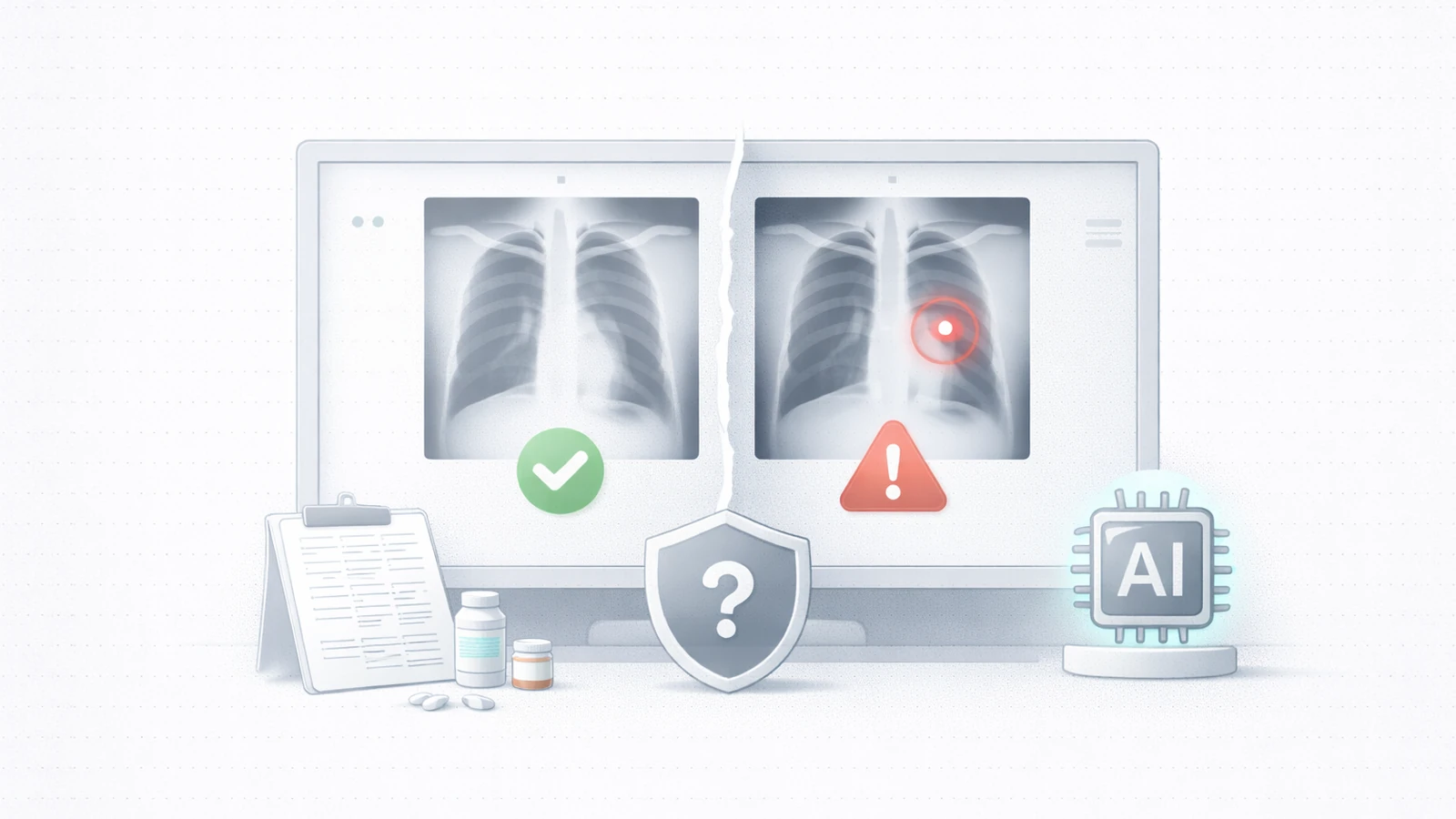
AI is already deeply embedded in many areas of healthcare, often working quietly behind the scenes. One of the most common applications is medical imaging. AI systems analyze X-rays, MRIs, CT scans, and ultrasounds to detect abnormalities such as tumors, fractures, or internal bleeding. In many cases, these systems can identify patterns faster than humans, especially when dealing with large volumes of images.
Another major area is diagnostics. AI tools assist doctors by comparing patient symptoms, medical history, and test results against vast databases of known conditions. This can help identify rare diseases or suggest diagnoses that might otherwise be overlooked. In primary care, AI-powered chat systems help collect initial patient information, allowing doctors to focus on more complex cases.
AI is also used in hospital management. Automated systems help schedule appointments, predict patient admission rates, optimize staff allocation, and manage supply chains. In research, AI accelerates drug discovery by analyzing chemical compounds and predicting which ones are most likely to be effective.
In these roles, AI acts as an assistant rather than a replacement. It processes data at a scale and speed no human can match, providing doctors with valuable insights that support clinical decisions.
When Automation Truly Helps Doctors
One of the clearest benefits of AI in medicine is efficiency. Doctors often face overwhelming workloads, long shifts, and administrative tasks that reduce the time they can spend with patients. AI helps by automating repetitive tasks such as documentation, record-keeping, and basic analysis. This allows healthcare professionals to focus on patient care rather than paperwork.
AI also improves consistency. Human judgment can vary depending on experience, fatigue, and emotional state. AI systems, when properly trained, apply the same standards consistently across cases. This can be especially helpful in screening programs, such as detecting early signs of cancer in large populations.
In emergency medicine, AI can be life-saving. Predictive models help identify patients at high risk of deterioration, enabling early intervention. In intensive care units, AI monitors vital signs continuously, alerting staff to subtle changes that may signal danger.
Perhaps most importantly, AI supports medical learning. Young doctors and medical students benefit from AI-powered tools that provide instant feedback, simulate complex cases, and offer evidence-based recommendations. In this sense, automation enhances human expertise rather than replacing it.
The Problem of Over-Reliance on AI Systems
Despite its benefits, AI introduces serious risks when doctors rely on it too heavily. One major concern is automation bias. This occurs when medical professionals trust AI recommendations without questioning them, even when their own judgment suggests otherwise. When an AI system presents a confident diagnosis or recommendation, it can unintentionally override human intuition.
This risk increases when AI systems are perceived as highly accurate or “objective.” Doctors may assume the machine is less likely to make mistakes than humans, forgetting that AI is only as good as the data and assumptions behind it. If the AI system is flawed, outdated, or biased, its recommendations can be dangerous.
Another issue is skill erosion. When doctors consistently depend on AI for diagnosis and decision-making, their own diagnostic skills may weaken over time. This can be particularly problematic in situations where AI is unavailable, malfunctioning, or facing a novel case outside its training data.
Over-reliance also reduces critical thinking. Medicine often requires weighing conflicting evidence, understanding patient context, and making nuanced decisions. AI systems struggle with complexity beyond structured data, and blind trust in automation can lead to poor outcomes.
New Types of Errors Created by Medical AI
AI does not eliminate errors; it changes their nature. Traditional medical mistakes often result from human factors such as fatigue or misjudgment. AI-related errors, however, can stem from data bias, technical limitations, or incorrect model assumptions.
One common problem is biased training data. If an AI system is trained primarily on data from certain populations, it may perform poorly for others. For example, diagnostic tools trained mostly on data from adults may struggle to accurately assess children, while systems trained on one ethnic group may misinterpret symptoms in another.
Another risk is false confidence. AI systems often provide outputs without clearly indicating uncertainty. A doctor may receive a single recommendation without understanding how confident the system is or what alternative possibilities exist. This lack of transparency makes it difficult to challenge or verify AI decisions.
System errors and software bugs also pose risks. Unlike human mistakes, which affect individual cases, a faulty AI update can impact thousands of patients simultaneously. When errors occur at scale, the consequences can be severe.
Ethical and Legal Challenges in AI-Assisted Medicine
The use of AI in healthcare raises complex ethical and legal questions. One of the most difficult issues is responsibility. When an AI-assisted decision leads to patient harm, who is accountable? The doctor, the hospital, the software developer, or the organization that approved the system?
This ambiguity creates uncertainty in medical practice. Doctors may hesitate to rely on AI tools due to fear of liability, while patients may struggle to understand who is responsible for their care. Legal systems in many countries are still adapting to these challenges.
Privacy is another major concern. AI systems require large amounts of sensitive patient data. Protecting this data from misuse, breaches, or unauthorized access is critical. Ethical use of AI demands transparency, informed consent, and strict data protection measures.
There is also the question of fairness. AI tools should improve healthcare for everyone, not just those in wealthy regions or advanced hospitals. Unequal access to AI technology risks widening existing healthcare disparities.
The Importance of Human Judgment in Medical Decision-Making
Medicine is not purely technical. It involves empathy, communication, and understanding the human experience of illness. AI cannot replace the relationship between doctor and patient. It cannot fully grasp emotional distress, personal values, or cultural context.
Doctors must remain the final decision-makers. AI should inform, not dictate, medical choices. Human judgment is essential for interpreting AI recommendations, explaining options to patients, and making decisions that align with individual circumstances.
Successful integration of AI requires doctors to understand its strengths and limitations. Medical education must evolve to include training on how AI works, how to question its outputs, and how to use it responsibly.
Building Safer and More Reliable Medical AI Systems
To maximize benefits and reduce risks, AI systems in medicine must be designed carefully. Transparency is key. Doctors should understand how AI reaches its conclusions, what data it uses, and where uncertainty exists.
Continuous monitoring and evaluation are also necessary. AI systems should be regularly tested against real-world outcomes, updated with diverse data, and audited for bias or errors. Feedback from healthcare professionals should play a central role in improving these systems.
Collaboration between doctors, engineers, ethicists, and policymakers is essential. Medical AI should not be developed in isolation from the realities of clinical practice. Ethical guidelines and regulations must evolve alongside technology.
The Future of AI and Doctors Working Together
The future of medicine is not a competition between humans and machines. It is a partnership. AI excels at processing vast amounts of data quickly, while doctors excel at judgment, empathy, and complex reasoning.
When used responsibly, AI can reduce errors, improve efficiency, and enhance patient care. When misused or over-trusted, it can create new risks and undermine trust. The challenge lies in finding the right balance.
Healthcare systems that succeed will be those that treat AI as a tool, not an authority. They will invest in training, transparency, and ethical oversight to ensure that automation serves human goals.
Conclusion: Automation with Caution, Not Blind Trust
AI has the potential to transform medicine for the better, but only if it is used wisely. Automation helps doctors by enhancing accuracy, reducing workload, and supporting decision-making. At the same time, it introduces new types of errors, ethical dilemmas, and risks of over-reliance.
The key lesson is clear: AI should assist, not replace, human judgment. Doctors must remain actively involved, critically engaged, and ethically responsible. Technology alone cannot deliver safe and compassionate healthcare.
By recognizing both the strengths and limitations of AI, modern medicine can move forward with confidence rather than caution alone. The future of healthcare depends not on choosing between humans and machines, but on ensuring they work together in a way that protects patients, supports doctors, and upholds the core values of medicine.
By Sami Hayes – AIchronicle Insights