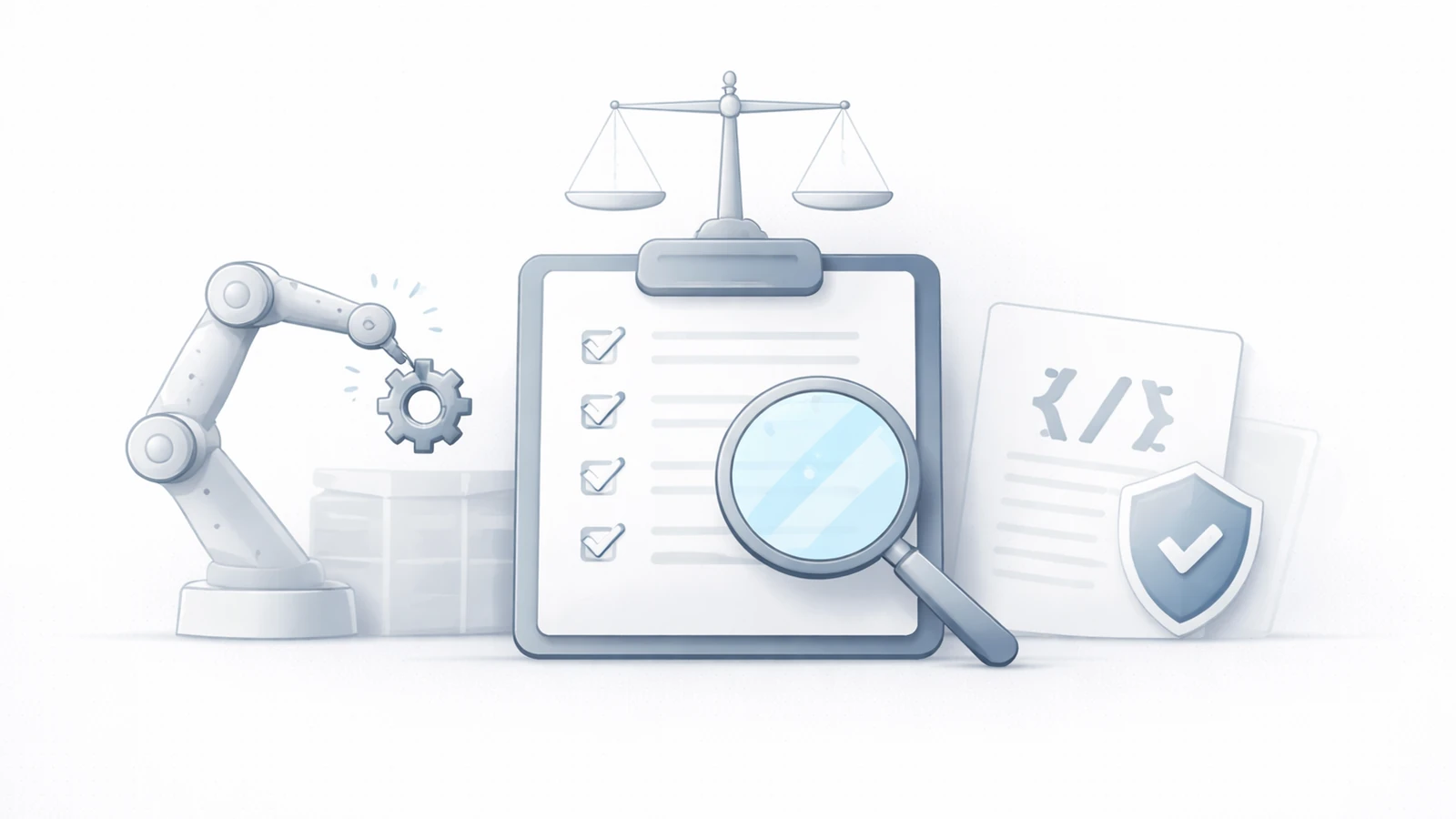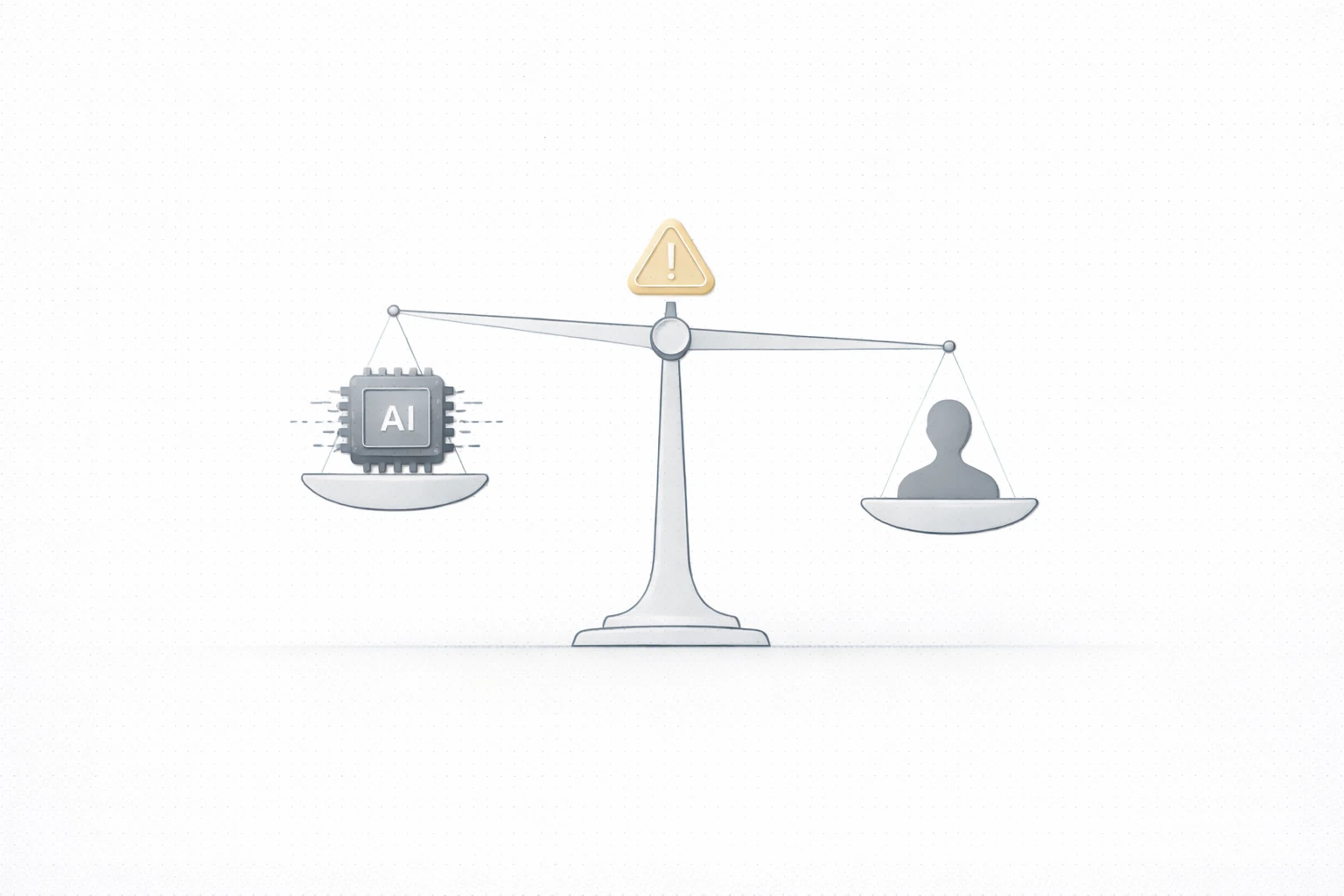
Why Ethics Matter More Than Ever in the Age of AI
Artificial intelligence is no longer a futuristic concept reserved for research labs and science fiction movies. It is embedded deeply into modern life, shaping how people communicate, work, learn, shop, travel, and make decisions. From recommendation systems and digital assistants to automated hiring tools and medical diagnostics, AI is becoming a silent but powerful force behind everyday systems.
With this rapid growth comes a serious responsibility. AI systems are not neutral. They are designed, trained, and deployed by humans, which means they reflect human values, priorities, and biases. When AI makes decisions that affect people’s lives, ethical questions naturally arise. These questions are not abstract philosophical debates anymore. They have real consequences for fairness, privacy, trust, and social stability.
The ethical challenges of artificial intelligence are not about stopping technological progress. Instead, they are about ensuring that progress benefits society as a whole. Without proper ethical consideration, AI can amplify inequality, invade privacy, reduce accountability, and erode trust in institutions. As AI becomes more influential, ethical frameworks must evolve alongside it.
This essay explores the major ethical challenges of artificial intelligence in modern society, examining how AI impacts fairness, privacy, accountability, employment, decision-making, and human autonomy. Understanding these challenges is essential for building a future where AI serves humanity responsibly rather than undermining it.
2. Bias and Fairness in Artificial Intelligence
One of the most widely discussed ethical issues in AI is bias. AI systems learn from data, and data often reflects existing inequalities and prejudices in society. When biased data is used to train AI, the resulting systems can reinforce or even worsen discrimination.
2.1 How Bias Enters AI Systems
Bias can enter AI systems in several ways:
• Historical data that reflects past discrimination
• Incomplete or unrepresentative datasets
• Human assumptions embedded in algorithm design
• Lack of diversity among developers and decision-makers
For example, an AI system trained on historical hiring data may learn to favor certain groups over others if past hiring practices were discriminatory. The AI does not understand fairness; it only recognizes patterns.
2.2 Real-World Consequences of Biased AI
Biased AI systems can affect people in serious ways:
• Hiring algorithms rejecting qualified candidates
• Loan approval systems denying credit unfairly
• Facial recognition misidentifying individuals
• Predictive policing targeting specific communities
These outcomes are especially harmful because AI decisions are often perceived as objective and unbiased, even when they are not. This false sense of neutrality can make discrimination harder to detect and challenge.
2.3 Addressing Bias Ethically
Reducing bias in AI requires active effort:
• Auditing training data regularly
• Testing systems across diverse populations
• Including interdisciplinary teams in development
• Creating accountability mechanisms
Ethical AI development must prioritize fairness as a core design principle, not as an afterthought.
3. Privacy and Data Protection in an AI-Driven World
AI systems rely heavily on data, often personal and sensitive. This reliance raises serious concerns about privacy, consent, and surveillance.
3.1 The Scale of Data Collection
Modern AI systems collect vast amounts of data:
• Location data from mobile devices
• Browsing and search histories
• Voice recordings and images
• Health and biometric information
Much of this data is collected passively, without users fully understanding how it will be used or shared.
3.2 Consent and Transparency Issues
True informed consent is difficult in complex AI systems. Privacy policies are often long, technical, and difficult to understand. Users may agree to data collection without realizing the full implications.
Ethical concerns arise when:
• Data is reused for purposes beyond original consent
• Personal information is sold to third parties
• Individuals cannot opt out easily
• Data retention periods are unclear
3.3 Surveillance and Loss of Privacy
AI has significantly expanded surveillance capabilities:
• Facial recognition in public spaces
• Automated monitoring of online behavior
• Predictive analysis of personal habits
While these tools can enhance security and efficiency, they also risk creating a society where individuals are constantly monitored. This can suppress free expression and personal autonomy.
3.4 Ethical Data Practices
Ethical AI requires strong data protection standards:
• Minimizing data collection
• Anonymizing sensitive information
• Giving users control over their data
• Being transparent about data usage
Respecting privacy is not only a legal obligation but also a moral one.
4. Accountability and Responsibility in AI Decisions
When AI systems make decisions, determining responsibility becomes complicated. Unlike traditional tools, AI can act autonomously, raising questions about who is accountable when things go wrong.
4.1 The Accountability Gap
When an AI system causes harm, several parties may be involved:
• Developers who built the system
• Companies that deployed it
• Organizations that provided data
• Users who relied on its output
This complexity can create an accountability gap, where no one takes full responsibility.
4.2 Black Box Algorithms
Many AI models, especially deep learning systems, operate as “black boxes.” Their internal reasoning is difficult to interpret, even for experts. This lack of explainability creates ethical problems:
• Affected individuals cannot challenge decisions
• Errors are hard to identify and correct
• Trust in AI systems decreases
4.3 Ethical Need for Explainability
Ethical AI should be explainable:
• Users should understand why decisions are made
• Organizations should be able to audit outcomes
• Regulators should enforce transparency standards
Explainable AI supports accountability and builds public trust.
5. Impact of AI on Employment and Economic Inequality
AI is transforming the labor market, creating both opportunities and challenges. While automation can increase efficiency and productivity, it also raises ethical concerns about job displacement and inequality.
5.1 Job Automation and Displacement
AI can automate tasks across many industries:
• Manufacturing and logistics
• Customer service
• Data analysis
• Content moderation
Workers in routine or repetitive roles are especially vulnerable.
5.2 Unequal Distribution of Benefits
The economic benefits of AI are not evenly distributed:
• Large companies gain competitive advantages
• High-skill workers benefit more than low-skill workers
• Regions with strong tech infrastructure advance faster
Without intervention, AI may widen the gap between rich and poor.
5.3 Ethical Responsibility to Workers
Ethical AI adoption should include:
• Investment in reskilling and education
• Support for displaced workers
• Policies that promote inclusive growth
• Collaboration between governments and industries
Technology should enhance human potential, not leave large portions of society behind.
6. AI in Decision-Making and Human Autonomy
As AI systems increasingly influence decisions, there is a risk that humans may surrender too much control.
6.1 Algorithmic Influence on Choices
AI shapes decisions in subtle ways:
• Recommendation systems influence what people watch and read
• Navigation apps determine travel routes
• Automated suggestions affect purchasing behavior
These systems guide choices without users always being aware of the influence.
6.2 Over-Reliance on AI
When people trust AI blindly:
• Critical thinking may decline
• Errors may go unnoticed
• Responsibility may be shifted to machines
Human oversight remains essential, especially in high-stakes domains such as healthcare, law, and criminal justice.
6.3 Preserving Human Agency
Ethical AI should empower users:
• Allowing humans to override AI decisions
• Encouraging informed decision-making
• Designing systems that support, not replace, judgment
Maintaining human autonomy is central to ethical technology use.
7. Ethical Challenges in AI Governance and Regulation
AI development is global, but laws and regulations are often local. This mismatch creates ethical and practical challenges.
7.1 Lack of Unified Standards
Different countries have different approaches to AI regulation:
• Some prioritize innovation
• Others emphasize privacy and control
• Enforcement varies widely
This inconsistency can lead to ethical loopholes.
7.2 Balancing Innovation and Protection
Over-regulation may slow innovation, while under-regulation can lead to harm. Ethical governance seeks balance:
• Encouraging responsible experimentation
• Protecting individuals and communities
• Adapting laws as technology evolves
7.3 Role of Institutions and Society
Ethical AI governance involves multiple stakeholders:
• Governments setting legal frameworks
• Companies adopting ethical guidelines
• Researchers promoting responsible practices
• Citizens staying informed and engaged
Ethics cannot be enforced by technology alone; it requires collective effort.
8. Cultural and Social Implications of AI Ethics
AI systems often reflect the values of their creators, which may not align with all cultures or societies.
8.1 Cultural Bias in AI Design
Most AI systems are developed in specific cultural contexts. This can lead to:
• Misinterpretation of language and behavior
• Marginalization of minority cultures
• Imposition of dominant values
Ethical AI must consider cultural diversity.
8.2 Social Trust and Acceptance
Public trust is essential for AI adoption. Ethical failures can lead to:
• Resistance to new technologies
• Fear and misinformation
• Loss of confidence in institutions
Transparent and inclusive development fosters trust.
9. Long-Term Ethical Risks and Future Concerns
Beyond current challenges, AI presents long-term ethical questions that require foresight.
9.1 Autonomous Systems and Control
As AI becomes more autonomous:
• Ensuring alignment with human values becomes critical
• Safeguards against unintended behavior are necessary
• Continuous monitoring is required
9.2 Power Concentration
AI development is often controlled by a small number of organizations:
• This can limit competition
• Influence public discourse
• Shape societal norms
Ethical considerations must address power imbalance.
Building Ethical AI for a Sustainable Future
Artificial intelligence holds enormous potential to improve lives, solve complex problems, and drive innovation. However, without ethical guidance, it can also deepen inequalities, erode privacy, and undermine trust.
The ethical challenges of AI are not obstacles to progress; they are essential considerations that ensure progress benefits everyone. Addressing bias, protecting privacy, ensuring accountability, supporting workers, preserving human autonomy, and creating responsible governance frameworks are all critical steps.
Ethical AI is not achieved through technology alone. It requires human judgment, transparent institutions, inclusive dialogue, and a commitment to shared values. As AI continues to shape modern society, the choices made today will determine whether it becomes a force for empowerment or division.
By confronting ethical challenges proactively, society can harness AI’s potential while safeguarding human dignity, fairness, and freedom. The future of artificial intelligence must be guided not only by what is possible, but by what is right.
By Sami Hayes – AIchronicle Insights