
When the Internet Stopped Feeling Real
For decades, the internet functioned as a shared space of information, opinion, and evidence. While misinformation has always existed, most users operated under an implicit assumption: what they saw online was, at some level, grounded in reality. Photos represented real moments. Videos documented real events. Written content reflected human authorship.
That assumption is now breaking down.
Artificial intelligence has introduced a fundamental shift in how digital content is created. Text, images, audio, and video can now be generated at scale, with minimal cost, and often with convincing realism. As AI-generated content becomes indistinguishable from human-created material, the concept of “online reality” itself is under pressure.
This article examines how AI-generated content is reshaping trust online, why verification is becoming harder, and what this collapse of trust means for individuals, institutions, and society as a whole.
The Rise of Synthetic Content at Scale
AI-generated content is no longer experimental. Large language models produce articles, comments, and social media posts. Image generators create photorealistic visuals of people who never existed. Voice synthesis tools can replicate human speech with startling accuracy. Video generation systems now produce footage that mimics real-world events.
The defining feature of this shift is scale. Unlike traditional misinformation, which required human effort, AI enables mass production. Thousands of articles, images, or videos can be generated in minutes. This volume overwhelms moderation systems and makes detection increasingly difficult.
The result is not simply more fake content, but an environment where authenticity itself becomes uncertain.
Research on the growth of synthetic media and its societal impact has been widely discussed by MIT Technology Review:
https://www.technologyreview.com/topic/artificial-intelligence
Deepfakes and the Erosion of Visual Evidence
For much of modern history, visual media served as evidence. A photograph or video carried weight precisely because it was difficult to fabricate convincingly. Deepfake technology has shattered that reliability.
AI systems trained on facial data can generate videos showing people saying or doing things they never did. These deepfakes are no longer confined to obvious manipulations; many are subtle enough to evade casual scrutiny.
This development has two dangerous effects. First, false content can be weaponized for political manipulation, fraud, or harassment. Second, genuine evidence can be dismissed as fake. When everything can be forged, nothing is fully trusted.
Text Without Authors and the Flood of Synthetic Writing
Written content has undergone a quieter but equally profound transformation. AI systems can now produce essays, reviews, news summaries, and opinion pieces that resemble human writing. While this capability has legitimate uses, it also introduces serious trust issues.
When readers encounter an article, they may assume it reflects human experience, research, or judgment. AI-generated text breaks this assumption. Content can be produced without lived experience, accountability, or intent, yet still influence opinions and decisions.
This shift raises questions already explored in AI Advice vs Human Judgment: Where People Still Make Better Choices. If content lacks human judgment, can it still be trusted to guide human decisions?
The Collapse of Context Online
Trust is not built on accuracy alone. It relies on context: who created the content, why it exists, and how it was produced. AI-generated content often strips away this context.
A synthetic article may cite real facts but arrange them misleadingly. An AI-generated image may look authentic but depict events that never occurred. Without clear disclosure, users are left guessing whether what they see is real, manipulated, or entirely fabricated.
This uncertainty erodes confidence not just in individual pieces of content, but in platforms as a whole.
Platforms, Algorithms, and Amplification
AI-generated content does not spread in isolation. It is amplified by recommendation systems designed to maximize engagement. Algorithms reward content that provokes emotion, curiosity, or outrage, regardless of authenticity.
As a result, synthetic content often travels faster and farther than verified information. This dynamic mirrors concerns discussed in Who Audits the Algorithms? Accountability in Automated Systems, where automated decision-making systems operate with limited oversight.
When algorithms amplify content without evaluating truth, trust becomes collateral damage.
The Psychological Cost of a Post-Truth Internet
Living in an environment where reality is uncertain carries psychological consequences. Users become skeptical, disengaged, or cynical. Constant exposure to questionable content can lead to decision fatigue, confusion, and reduced confidence in one’s own judgment.
Ironically, this skepticism can coexist with increased vulnerability. When users stop trusting traditional sources, they may turn to unverified or emotionally appealing narratives instead.
This paradox—distrust combined with susceptibility—marks a dangerous phase in the evolution of digital culture.
Journalism in an Age of Synthetic Media
Journalism faces a unique challenge in the age of AI-generated content. News organizations must verify information more rigorously than ever, while competing with synthetic content that can be produced faster and cheaper.
At the same time, journalists themselves are beginning to use AI tools for drafting, summarization, and research. This raises ethical questions about transparency and authorship.
The boundary between legitimate AI assistance and deceptive automation is thin, and crossing it risks further erosion of public trust in media institutions.
Verification Becomes a Technical Arms Race
Efforts to counter synthetic content have led to an arms race between generation and detection. AI systems designed to detect deepfakes or synthetic text often lag behind the systems that create them.
Digital watermarking, provenance tracking, and cryptographic verification are emerging solutions, but adoption is uneven. Without widespread standards, verification tools remain fragmented and limited in effectiveness.
Stanford’s Human-Centered AI initiative has explored research into AI governance and verification challenges:
https://hai.stanford.edu/research
10. Regulation, Disclosure, and Responsibility
Governments and international bodies are beginning to address the trust crisis created by AI-generated content. Proposed regulations focus on transparency, requiring disclosure when content is AI-generated and imposing penalties for deceptive use.
The European Commission’s work on AI policy highlights the importance of accountability and transparency in digital systems:
https://digital-strategy.ec.europa.eu/en/policies/artificial-intelligence
However, regulation alone cannot restore trust. Enforcement is difficult across borders, and bad actors can operate outside regulated spaces.
The Role of Education and AI Literacy
One long-term response to the collapse of trust is education. Users must learn to evaluate content critically, recognize signs of synthetic media, and understand the limitations of AI systems.
This need aligns with themes in AI Literacy: The Skill Most People Will Need but Few Are Learning. Without widespread AI literacy, users remain vulnerable to manipulation and misinformation.
Education does not eliminate deception, but it reduces its effectiveness.
Can Trust Be Rebuilt?
Trust is not restored by technology alone. It requires cultural norms, ethical standards, and institutional accountability. Platforms must prioritize transparency over engagement. Developers must consider the social consequences of their tools. Users must demand disclosure and responsibility.
Rebuilding trust will likely involve a combination of technical safeguards, legal frameworks, and renewed emphasis on human judgment and credibility.
Reality as a Collective Agreement
Ultimately, reality online has always been a collective agreement. We trust what we see because we believe others share the same standards of truth. AI-generated content strains that agreement by introducing ambiguity at scale.
If society fails to address this challenge, the internet risks becoming a space where information exists without meaning and evidence without authority.
Choosing Responsibility in a Synthetic World
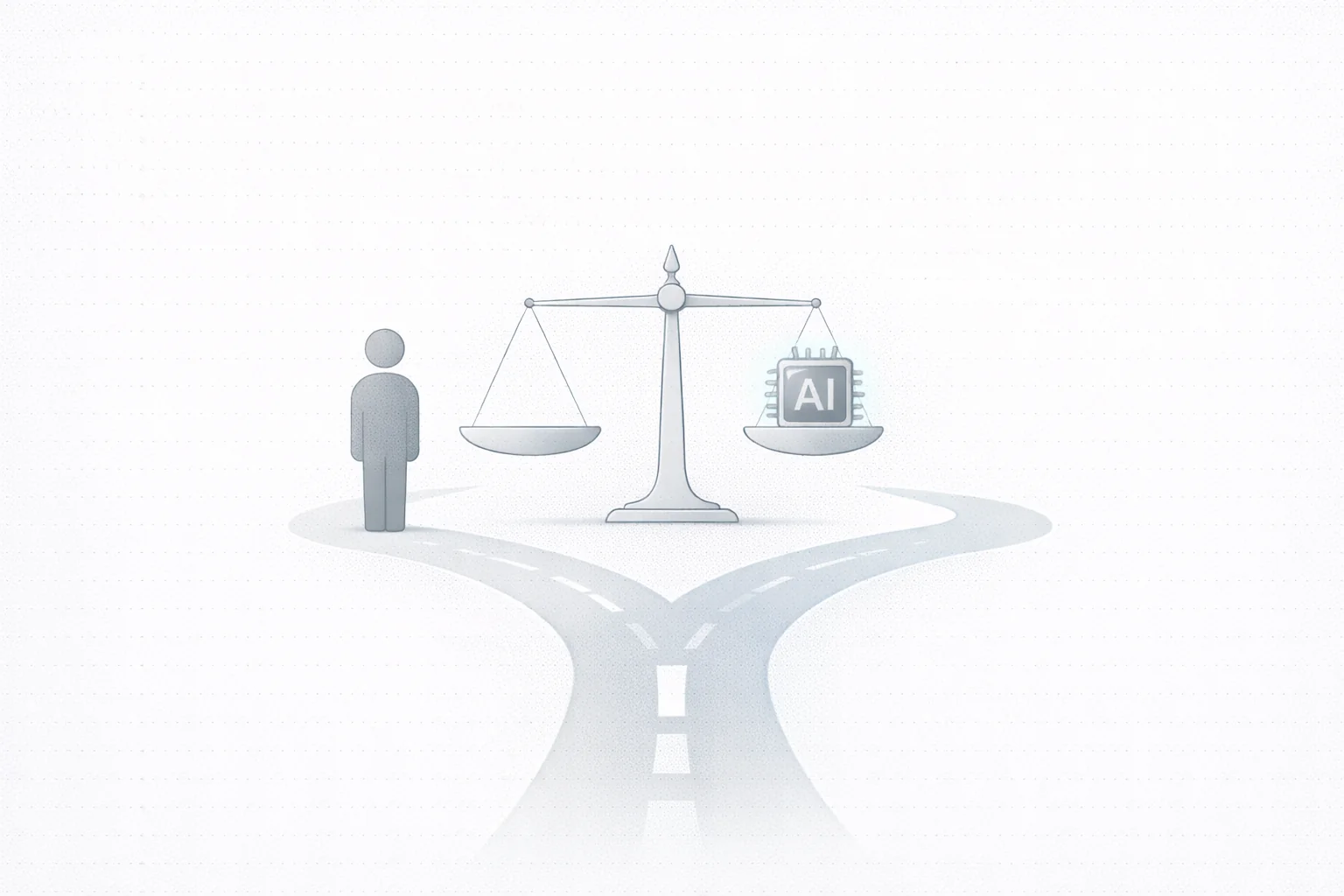
The end of “reality” online is not inevitable, but preventing it requires deliberate action. AI is a powerful tool, capable of creativity and efficiency, but also of deception and erosion of trust.
The question is not whether AI-generated content will continue to grow—it will. The real question is whether society can build systems, norms, and values that preserve trust in an increasingly synthetic digital world.
The future of the internet depends not on smarter machines, but on wiser choices about how those machines are used.
By Sami Hayes – AIchronicle Insights

Pingback: AI Evidence in Courtrooms: Reliable or Dangerous?