
The Rise of Automated Decision-Making
Algorithms now play a central role in decisions that were once made exclusively by humans. From determining who qualifies for a loan, to ranking job applicants, to flagging suspicious behavior online, automated systems increasingly influence outcomes that affect people’s lives in concrete ways. These systems are often presented as efficient, objective, and scalable solutions to complex problems, and in many cases they do improve speed and consistency.
However, as algorithms gain power, an uncomfortable question emerges: who is responsible for overseeing them? Unlike traditional institutions with clear chains of accountability, automated systems often operate in the background, embedded in software platforms, private infrastructures, and opaque decision pipelines. When an algorithm makes a harmful or unfair decision, responsibility becomes difficult to trace.
This lack of clarity has led to growing concern among researchers, policymakers, and the public. Accountability, a cornerstone of democratic and ethical systems, becomes blurred when decisions are delegated to machines.
What It Means to “Audit” an Algorithm
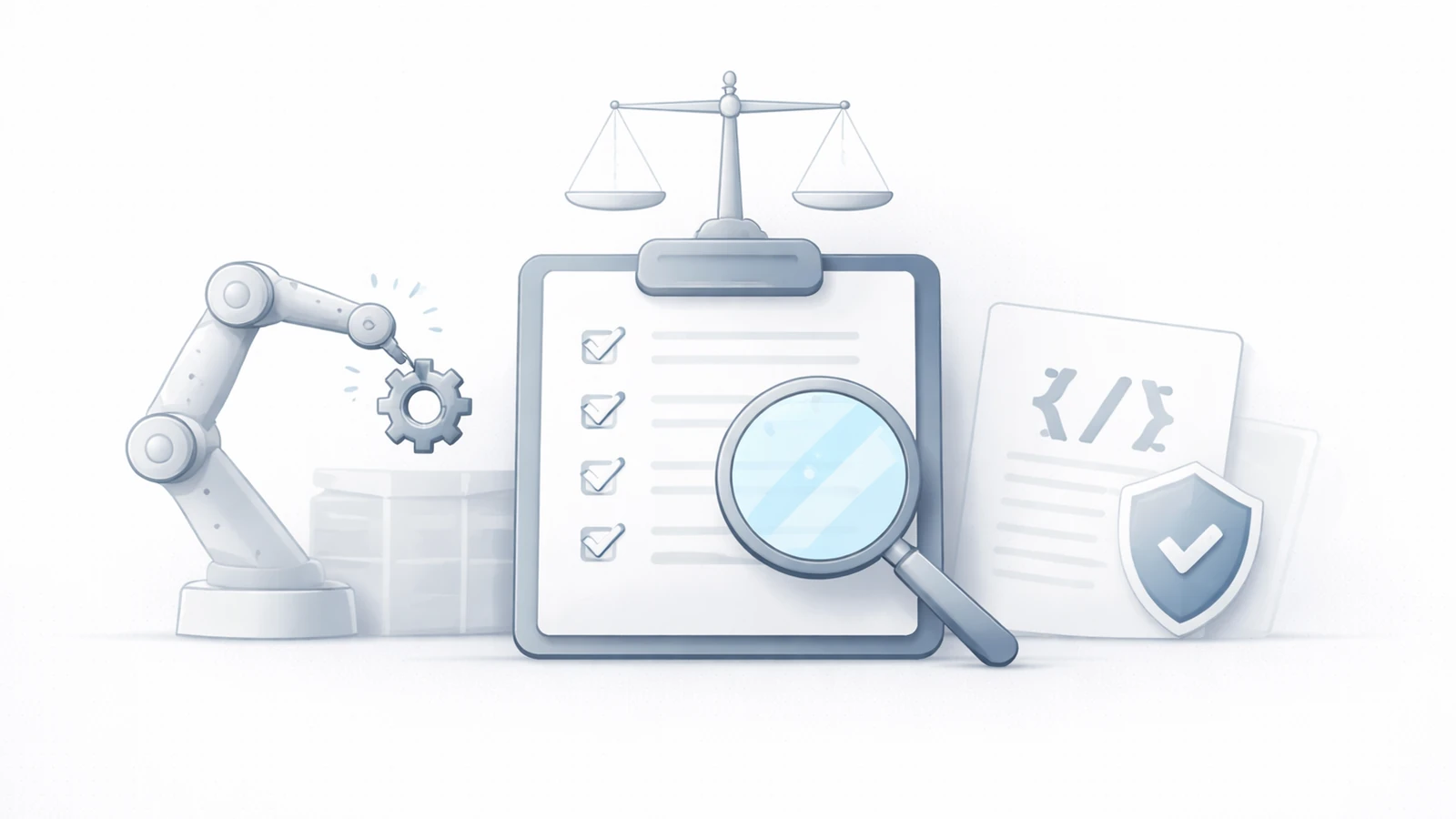
Auditing an algorithm does not mean examining lines of code in isolation. Modern automated systems are complex socio-technical structures that include data sources, model architectures, training processes, deployment environments, and human oversight mechanisms. An effective audit must therefore examine the entire lifecycle of an algorithmic system.
Algorithm audits typically aim to answer several core questions. Does the system behave as intended? Does it produce biased or discriminatory outcomes? Can its decisions be explained in understandable terms? And most importantly, is there a mechanism for correction when things go wrong?
Unlike financial audits, algorithm audits are not standardized across industries. There is no universally accepted framework that defines who should conduct them, how often they should occur, or what standards should be applied. This ambiguity leaves many systems effectively unaudited.
Why Accountability Becomes Harder With Automation
One of the defining features of automated systems is scale. Algorithms can make thousands or millions of decisions in a short period of time. While this scale increases efficiency, it also amplifies harm when errors occur. A flawed decision rule applied once is a mistake; applied at scale, it becomes systemic.
Another challenge lies in complexity. Many modern AI systems rely on machine learning models that adapt based on data. Their behavior can change over time, even without explicit updates from developers. This makes it difficult to predict outcomes and assign responsibility when unexpected results appear.
Responsibility is often distributed across multiple actors: data providers, model developers, platform owners, and end users. When accountability is shared, it can also become diluted, allowing each party to deflect responsibility.
These issues echo broader concerns discussed in your article on AI Advice vs Human Judgment, where the delegation of decisions to machines creates gaps in moral and practical responsibility.
Algorithms in High-Stakes Domains
The question of auditing becomes especially urgent in high-stakes areas such as finance, healthcare, criminal justice, and public administration. In these domains, algorithmic decisions can determine access to resources, freedom, or even life-saving treatment.
In finance, automated credit scoring systems assess risk and determine loan eligibility. In healthcare, diagnostic algorithms influence treatment pathways. In law enforcement, predictive systems guide patrol allocation or risk assessment. Each of these applications carries serious consequences, yet auditing practices vary widely.
Without independent oversight, errors or biases can persist unnoticed. In some cases, affected individuals may not even know that an algorithm played a role in the decision they are challenging, making accountability nearly impossible.
This concern aligns closely with themes explored in Predictive Policing and AI, where opaque systems shape public safety decisions without sufficient transparency.
Bias, Data, and the Limits of Neutrality
One of the primary reasons algorithms require auditing is bias. Automated systems learn from historical data, and that data often reflects existing social inequalities. When unchecked, algorithms can reproduce or even amplify these patterns.
Bias in algorithms is rarely intentional, but intent is irrelevant to impact. An algorithm that disproportionately denies opportunities to certain groups still causes harm, regardless of the motivations behind its design. Auditing helps identify such patterns and forces organizations to confront uncomfortable truths about their systems.
This issue connects directly to your article Can AI Ever Be Neutral? Understanding Values Inside Algorithms, which highlights how design choices and data selection embed values into automated systems.
Who Currently Audits Algorithms?
In most cases, the organizations that build and deploy algorithms are also responsible for monitoring them. Internal audits may be conducted by engineering teams or compliance departments, but these processes are rarely transparent to the public.
External audits do exist, particularly in regulated industries, but they are often limited in scope. Academic researchers and civil society groups sometimes perform independent analyses, but access to proprietary systems and data is restricted.
This imbalance creates a power asymmetry. Those most affected by algorithmic decisions often have the least insight into how those systems operate, while those who control the systems face limited external scrutiny.
The Role of Governments and Regulators
Governments are increasingly aware of the need for algorithmic accountability. Regulatory frameworks in several regions now address transparency, explainability, and risk assessment for automated systems. The European Union’s approach to AI regulation, for example, emphasizes accountability for high-risk systems.
However, regulation faces its own challenges. Technology evolves faster than legal frameworks, and regulators often lack the technical expertise required to evaluate complex models. Overly rigid rules may also stifle innovation, while overly permissive ones fail to protect the public.
Effective governance requires a balance between oversight and flexibility, as well as collaboration between technologists, policymakers, and independent experts.
Transparency Versus Explainability
Transparency is often cited as a solution to accountability problems, but transparency alone is insufficient. Simply revealing that an algorithm exists, or publishing high-level documentation, does not guarantee meaningful understanding.
Explainability goes further by addressing whether affected individuals can understand why a specific decision was made. In many machine learning systems, especially deep learning models, explainability remains limited.
Audits must therefore consider not only whether information is available, but whether it is accessible and actionable. This distinction is critical for building trust in automated systems.
The Human Role in Algorithmic Oversight
Despite advances in automation, human oversight remains essential. Algorithms can process data at scale, but they lack moral reasoning, contextual awareness, and accountability in the human sense.
Auditing processes must include human judgment, particularly when evaluating ethical implications and unintended consequences. Humans are also necessary for interpreting audit findings and implementing corrective actions.
This reinforces the broader argument made across your site that AI should support, not replace, human decision-making.
Independent Audits and the Case for External Oversight
Many experts argue that algorithm audits should be conducted by independent third parties, similar to financial audits. External oversight reduces conflicts of interest and increases public trust.
Independent audits could evaluate systems against standardized criteria for fairness, accuracy, and transparency. They could also provide public reports, creating accountability through visibility.
However, implementing such a system requires cooperation from organizations that may be reluctant to expose proprietary technology. Balancing commercial interests with public accountability remains a central challenge.
Accountability When Things Go Wrong
When an algorithm causes harm, affected individuals often struggle to seek redress. Traditional legal frameworks are built around human actors, not automated systems. This creates gaps in liability and enforcement.
Auditing mechanisms can help by documenting decision processes and identifying points of failure. Clear records make it easier to assign responsibility and implement remedies.
Without such mechanisms, harm caused by algorithms risks becoming normalized rather than corrected.
Toward a Culture of Algorithmic Accountability
Accountability is not solely a technical or legal issue; it is also cultural. Organizations that deploy automated systems must prioritize ethical responsibility alongside efficiency and profit.
This requires investing in auditing processes, encouraging interdisciplinary collaboration, and accepting that some systems may need to be redesigned or withdrawn if they cause harm.
Public awareness also plays a role. As people become more informed about how algorithms shape their lives, demand for accountability is likely to grow.
Why Auditing Algorithms Is Not Optional
Automated systems are no longer experimental tools. They are embedded in the infrastructure of modern society. As such, auditing them is not optional; it is a requirement for maintaining trust, fairness, and legitimacy.
Failing to audit algorithms risks allowing invisible systems to exercise power without accountability. This undermines democratic principles and erodes public confidence in technology.
The environmental, social, and ethical costs of unchecked automation are too significant to ignore.
Rethinking Responsibility in an Automated World
The question “who audits the algorithms?” ultimately reflects a deeper concern about responsibility in an automated world. As decision-making shifts toward machines, society must redefine how accountability is assigned and enforced.
Auditing is one piece of this puzzle, but it must be supported by regulation, transparency, human oversight, and ethical commitment. Only by addressing all of these dimensions can automated systems serve the public good.
The future of AI depends not only on what algorithms can do, but on how responsibly they are governed.
By Sami Hayes – AIchronicle Insights


Pingback: The High Cost of Convenience: AI Fatigue and the Rise of Cognitive Bankruptcy in 2026 - AIchronicle
Pingback: AI Evidence in Courtrooms: Reliable or Dangerous?
Pingback: AI Answers Are Replacing Websites In Search
Pingback: - Why “Verified” No Longer Means Trusted Online